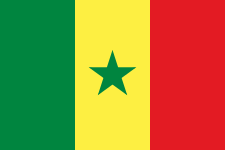
The Senegal national football team, the Lions of Teranga, is at the center of news with player movements in Europe and intense preparation for the 2026 World Cup. Two major developments concern young midfielder Bara Sapoko Ndiaye and experienced forward Ismaila Sarr. These moves come as the team sits 3rd in its World Cup group with 3 points, a record of 1 win and 2 losses, and a +2 goal difference.
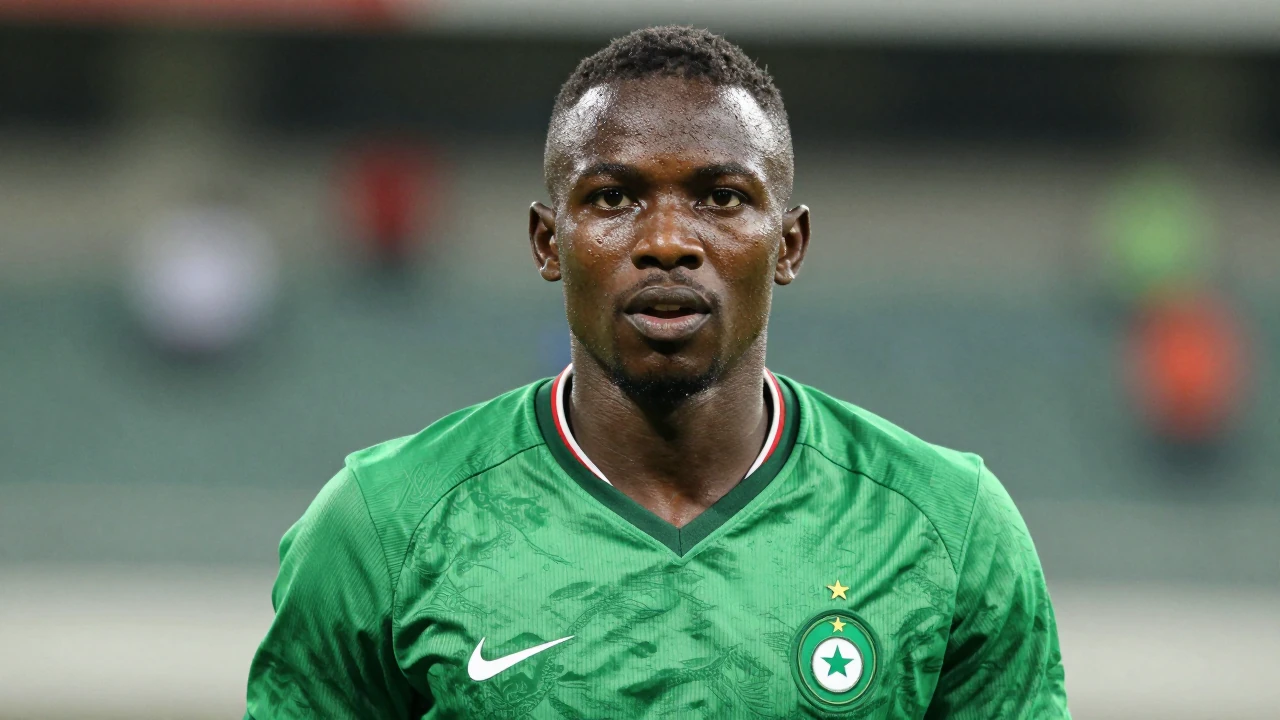
Bayern Munich has officially signed 18-year-old Senegalese midfield talent Bara Sapoko Ndiaye. The German club sees him as the player who can fill the void left by legend Leon Goretzka. Manager Vincent Kompany was reportedly particularly impressed by the youngster's dynamic pace and football intelligence during a recent trial period. This signing represents a major step in the young prospect's career, joining one of Europe's most prestigious clubs.
Ndiaye thus joins a long list of African footballers who have excelled in the Bundesliga. His integration into a competitive squad will be closely watched by Senegalese fans, who hope to see him shine soon. His progress can be followed on our dedicated squad page for the national team. This opportunity comes at a time when the Lions are looking to build a competitive team for the future.
The transfer of Senegalese international forward Ismaila Sarr to Liverpool has fallen through. Transfer specialist Sacha Tavolieri reports that Crystal Palace rejected an offer of around £50 million from the Reds. The London club stood firm on its valuation of the player, forcing Liverpool to abandon its ambitions as the transfer window closes. The Selhurst Park hierarchy was determined not to lose another key player this summer.
Liverpool had admired Sarr since his time at Watford and saw him as a versatile option to bolster their front line. However, with the transfer deadline approaching, the Merseyside club chose to walk away rather than overpay for a player Palace was desperate to keep. This decision is a setback for manager Andoni Iraola, who wanted to put his stamp on the squad he inherited. Sarr is now expected to start the season with the Eagles.
The recent performances of the Senegalese national team provide important context for these individual movements. The Lions have just suffered two consecutive defeats, including a 3-2 loss to Belgium on July 1, 2026. Their form over the last five matches is mixed, with two wins and three losses. They have scored 8 goals but conceded 6 in their current campaign so far. These statistics are available in detail on our stats page.
The team must quickly find a more consistent level of performance to hope to shine in the final stages of the global competition. The last result, a narrow defeat against a major nation like Belgium, shows both the qualities and shortcomings of the collective led by Aliou Cissé. The next step in their journey can be followed on our fixtures calendar. Building a strong group, integrating both young talents like Ndiaye and experienced players like Sarr, will be key.
It is reminded that African football, and thus Senegalese football, is not only about competitions. Its history is deeply linked to colonial contexts, independence, and nation-building. Works like L'Histoire du football africain by Saïd El Abadi (2025) or African Soccerscapes by Peter Alegi (2010) explore how populations appropriated the sport. They show how stadiums and clubs became places for expressing claims of equality and self-determination.
This historical perspective reminds us of the social and cultural significance of football in Senegal. The successes of the Lions of Teranga transcend sport and contribute to national pride. The upcoming World Cup campaign will be part of this long tradition. Fans can check the standings to follow their team's progress in the qualification race. The national team will face its next qualification opponent on October 15, 2026.