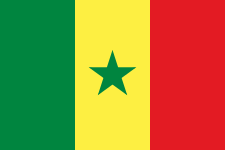
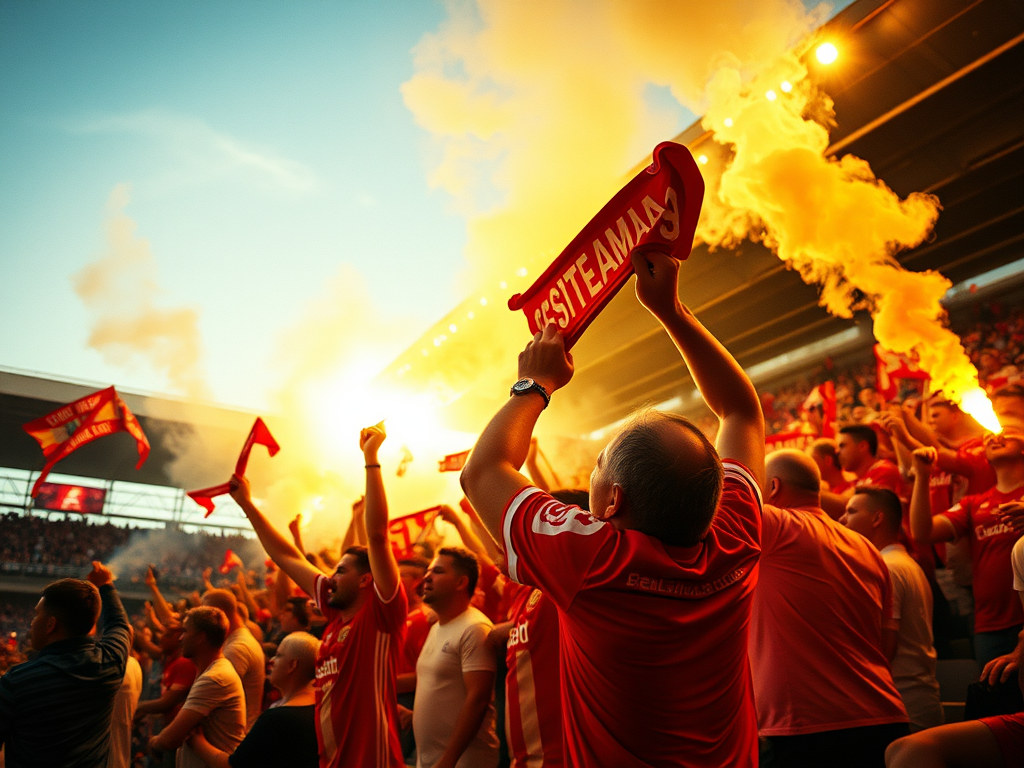
The supporters of Lions de la Téranga, affectionately called the "Téranga Boys" or "Lions Fans," do not merely watch the matches; they live them. Each encounter at the Stade Léopold Sédar Senghor becomes a stage where the passion and fervor of the supporters unfold with rare intensity. In the lead-up to kick-off, the streets of Dakar vibrate to the rhythm of drums and songs, where each fan, dressed in the yellow and green jersey, prepares to make their voice heard. Solidarity and unity resonate as families and friends gather, sharing traditional meals, stories, and rituals that strengthen their bond with the team.
A key element of this culture is the "mbëkk mi," an emblematic chant that echoes throughout the stadium. Supporters, hand in hand, sing the lyrics with such fervor that they seem to lift the players on the pitch. The chants are not merely expressions of support but narratives of Senegalese football history, evoking memorable moments and past heroes. Each refrain is a promise of loyalty, a declaration that the Lions are never alone, regardless of the situation on the field.
During derbies, the rivalry reaches its pinnacle. Matches against teams like Ghana or Ivory Coast are not just sporting confrontations but cultural battles. Supporters travel en masse, creating an electrifying atmosphere where chants, dances, and the vibrant colors of flags become a symbol of national pride. In these moments, every shout of joy or despair becomes a collective melody, a symphony of emotions that resonates through the stadium walls.
Pre-match rituals are equally captivating. Before each match, supporters gather around the stadium for prayers and invocations, hoping that benevolent spirits will guide the Lions to victory. Hats adorned with feathers and brightly painted faces are ubiquitous, adding a festive touch to the event. The presence of elders and community sages is also common, bringing a spiritual dimension to the football experience.
Celebration does not stop at the final whistle. Whether it’s a resounding victory or a disappointing defeat, the supporters of Lions de la Téranga express their unconditional love for the team. Debriefs in Dakar's cafés, passionate discussions on social media, and even impromptu songs on public transport show that football is more than just a game - it is an integral part of Senegalese identity.
In summary, the culture of supporters of Lions de la Téranga is a shining example of how football can bring people together, transcending social barriers and strengthening the fabric of society. With the 2026 World Cup on the horizon, it is certain that this passion will only grow, promising unforgettable moments on the road to glory.